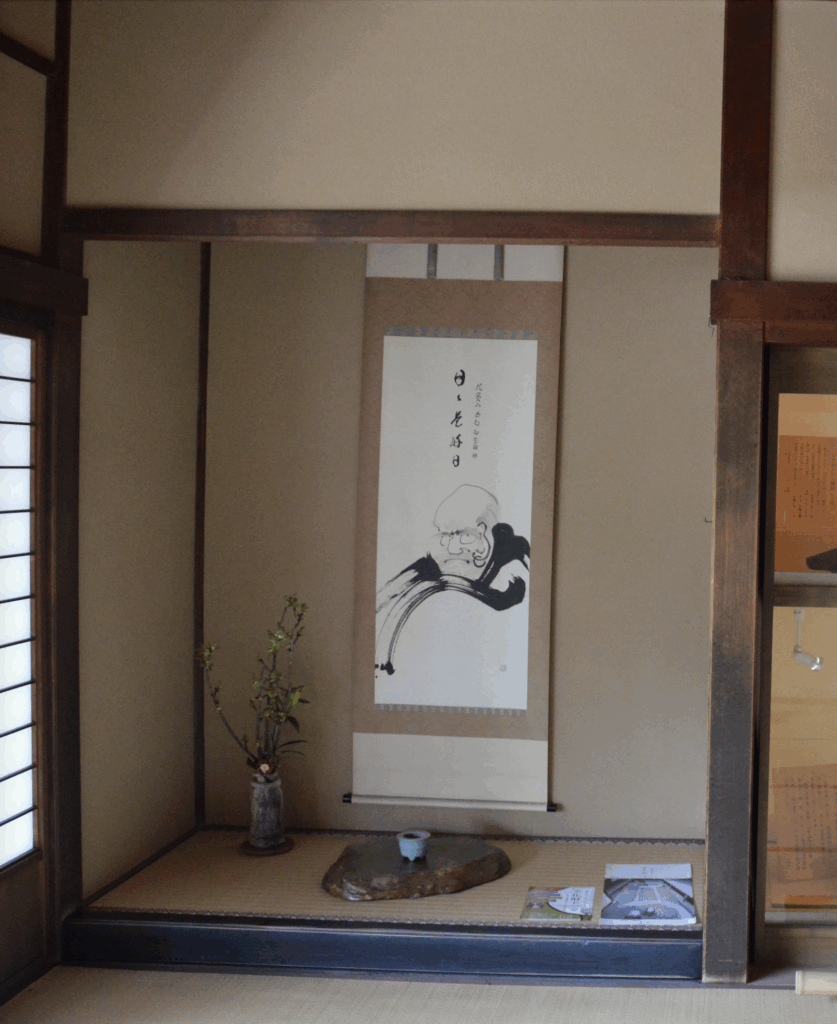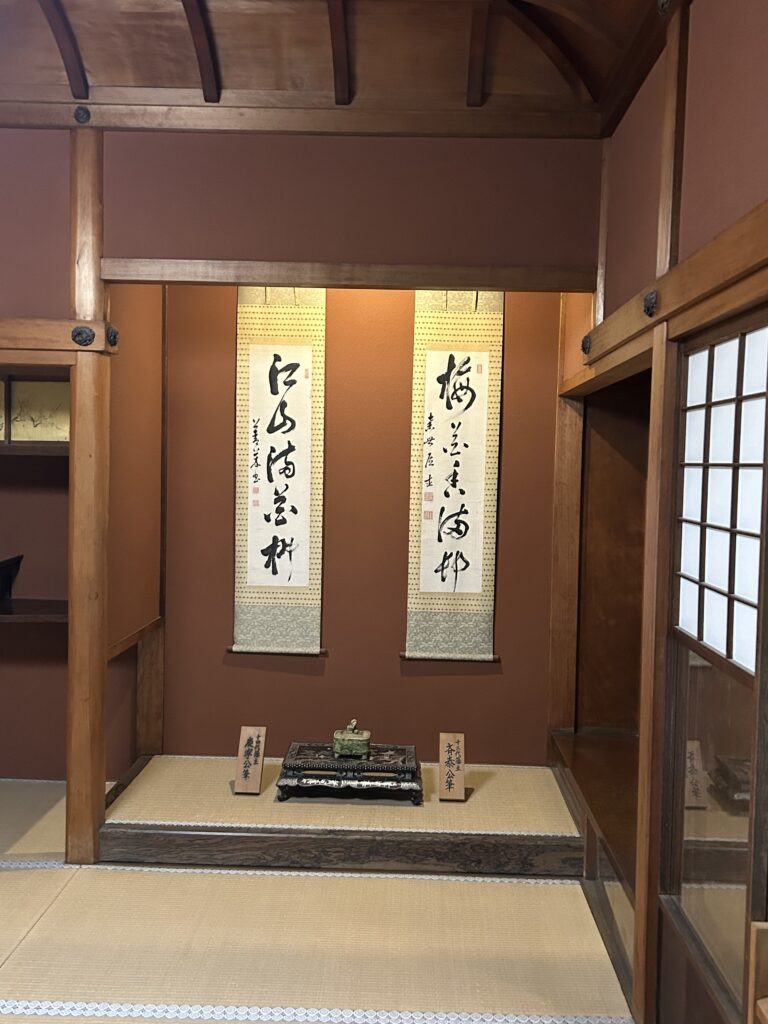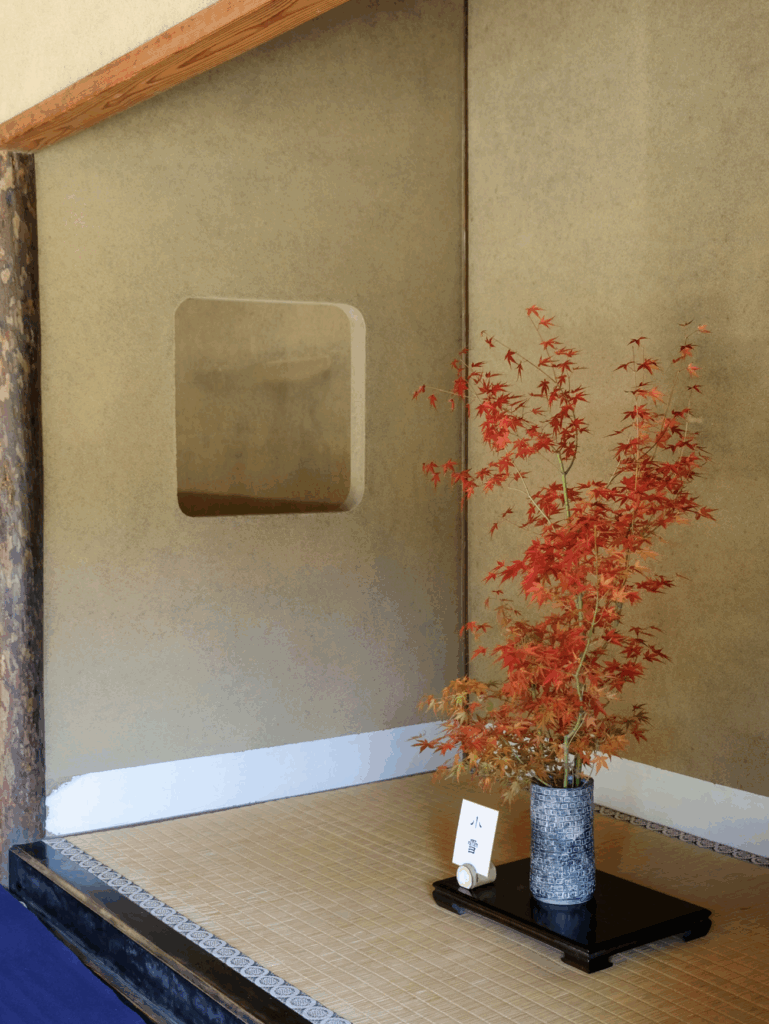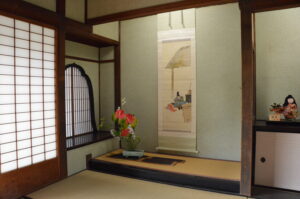



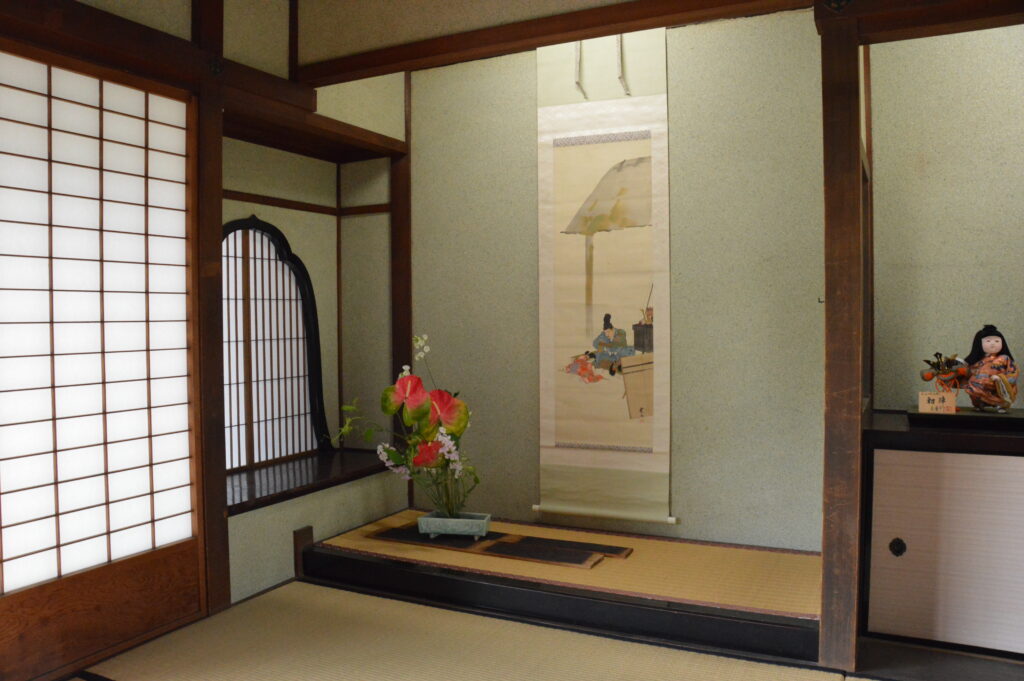
In traditional Japanese homes, the tokonoma (床の間) is a silent, refined alcove dedicated to art, nature and contemplation. This space has no utilitarian function. It is empty, but intensely present. A kakemono (hanging scroll), a floral arrangement or a ceramic piece is displayed, chosen according to the season, the occasion or the person invited. The tokonoma is a place of symbolic resonance and full presence.
Creating interior space
Seemingly far removed, the framework of a hypnosis session nevertheless shares profoundly similar functions. The aim is to create a safe space, conducive to the emergence of an inner world. Hypnosis doesn’t fill psychic space: it clears it, opens it, welcomes it. Like tokonoma, it highlights a significant element: an image, a sensation, a word that takes root deep within.
In an integrative healthcare approach, this analogy takes on its full meaning. Care is not just about intervening, it’s also about welcoming. It’s about offering a quality setting, a hospitality of care, where the person can reconnect with his or her resources. The hypnosis practitioner is like the Japanese tea master: he discreetly prepares the space, with sobriety and attention, to enable an encounter.
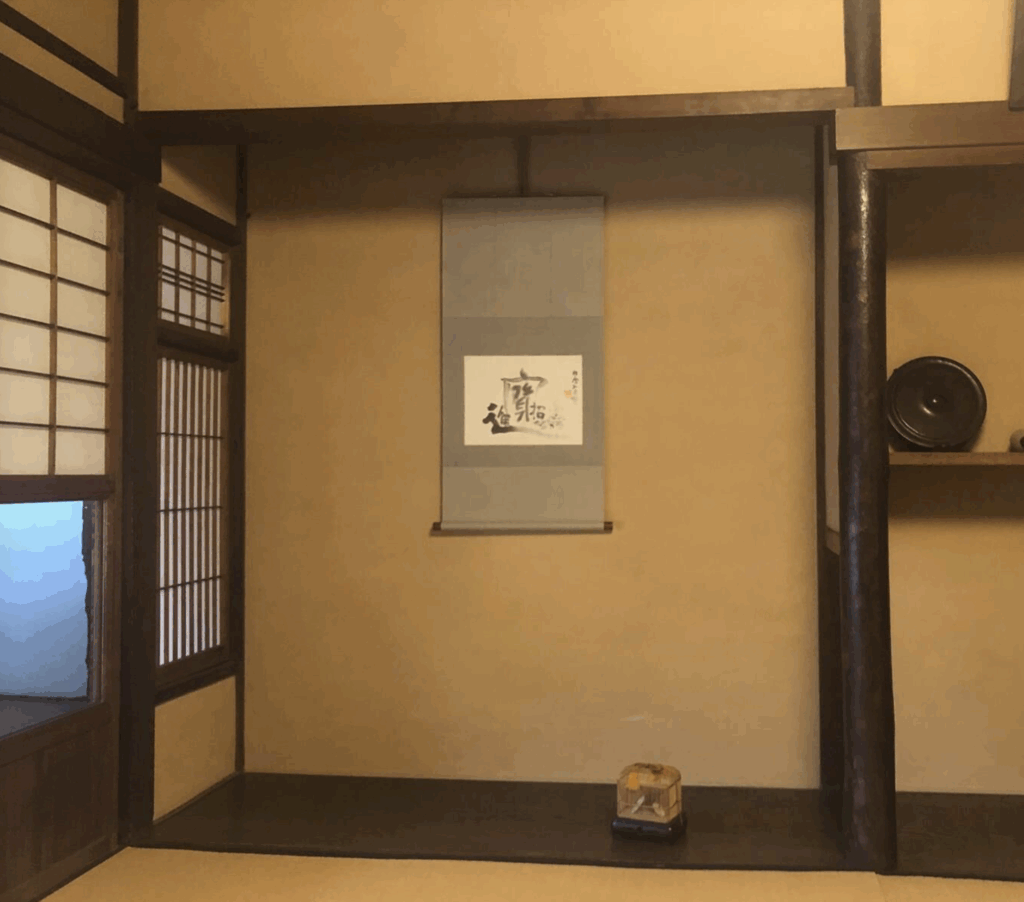
The tokonoma is the material expression of this posture: leaving space, but a meaningful space. It embodies an ecology of care in which the quality of presence is at the heart of transformation. It reminds us that sometimes, it’s in the little that meaning emerges, and that it’s here, in this habitable void, that the therapeutic process finds its full dimension.
Thus, in the encounter between traditional Japan and contemporary hypnosis, tokonoma becomes a silent but precious model of integrative health based on presence, resonance and the subtlety of care.