


Introduction
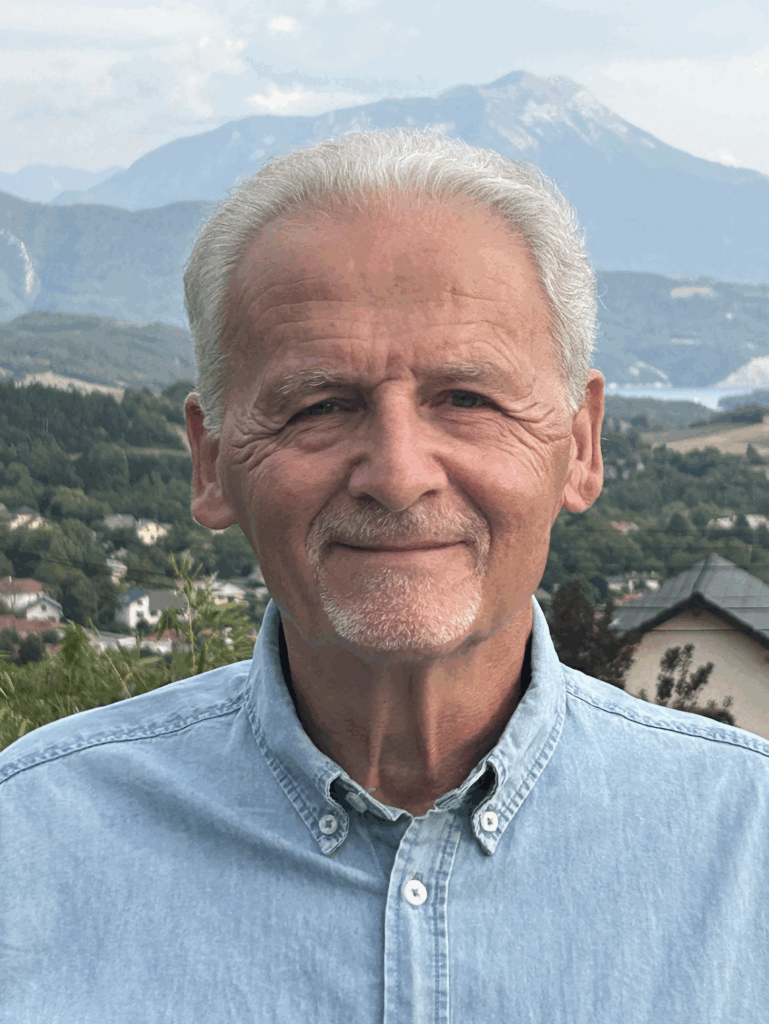
As a physician, hypnotherapist and teacher who has been committed to the development of an integrative approach to health for many years, I have worked throughout my career to build bridges between different fields of knowledge and practice, with the constant aim of offering patients personalized, effective therapeutic solutions that respect the whole person.
Initial medical care
My medical career began in the 1970s. In medical school, things were clear: on the one hand, there was the medicine of the body, of the somatic, divided into different specialties, the so-called serious medicine, and on the other, everything that could not be explained by scientific criteria and which was confined under the very approximate term of psy, with no link to the body. At the time, Freudian psychoanalysis was king, and there were few other known psychotherapeutic approaches in France.

Discovering TCM
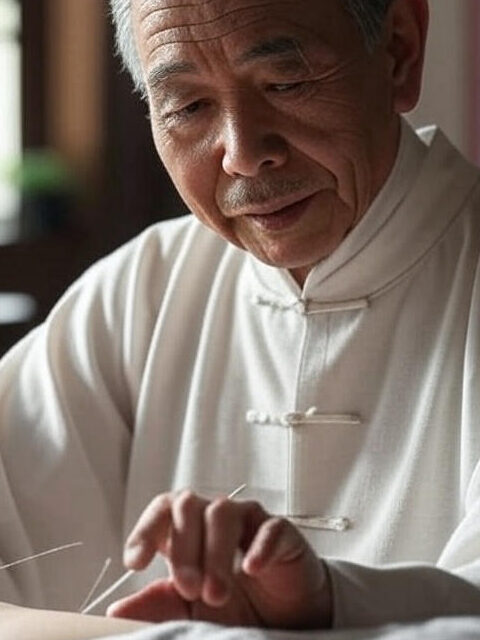
How can one continue studying medicine when one wishes to heal but cannot tolerate such a rigid dualism? A profound dissatisfaction nearly led me to abandon my medical studies until… a certain encounter. At that time, China was beginning to open up to the West, and serious training programs in Traditional Chinese Medicine (TCM) were being established. One day, while browsing the shelves of a medical bookstore, I came across a small book, Introduction to Acupuncture (Dr. E. A. Maury, Éditions du Jour). I bought it and began reading it on the bus taking me home. I couldn’t put it down. I kept reading while walking, while climbing the stairs… and I finished it that very evening. A true revelation!
A great door opened before me. Human beings are a microcosm connected to the macrocosm. Body and mind are not separate. Within the body, energies circulate according to precise laws. Everything is relationship. Illness arises from a slowing down or a blockage in the circulation of energy; good health flows from its free movement. This new therapeutic paradigm made deep sense to me. I had found my path (道, dō), and I felt (re)motivated to complete my studies.
The next step followed naturally: I set up practice as an acupuncturist physician in the Paris region. I became deeply passionate about Taoism and Chinese philosophy in general.
80s influences
From the 1980s onwards, a two-pronged approach arrived from East and West, gradually transforming the healthcare landscape in France.
From Asia: yoga became popular, Ayurvedic medicine made its appearance, TCM attracted numerous practitioners, with Qi Gong and Taiji Quan following in its wake. From Japan, shiatsu made its appearance, as did numerous Japanese martial arts(aikidō, kyudō…), in addition to the already well-known jūdō . These practices or disciplines all have in common: the circulation of energy, body/mind wholeness, a holistic vision(holos, of wholeness).
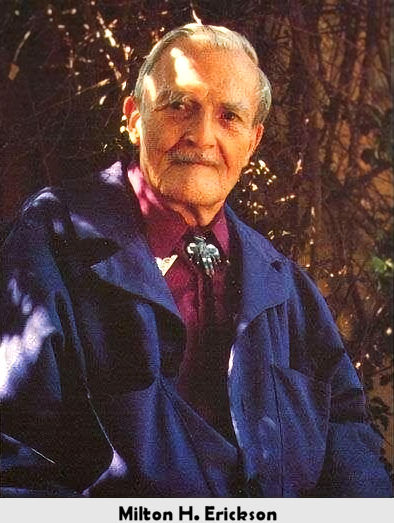
From the American West: the Palo Alto School brought systemic and family therapy, Dr. Jon Kabat-Zinn adapted zazen meditation to the West and createdmindfulness meditation (widely practised throughout the world), American psychiatrist Dr. Milton Erickson (1901-1980) founded modern therapeutic hypnosis, and so on. More and more mind-body therapies are being developed, validating the validity of working on the body/mind as a whole. Borders are blurring, information is circulating more and more, and training courses are flourishing.
Discovering hypnosis
From the 1980s onward, I trained in classical homeopathy, which I practiced as a general practitioner alongside Chinese medicine.
In 2012, I felt the desire to breathe a different air and to learn a new therapeutic approach—one that would not give priority to intellect and concepts, but rather to sensations, relationships, and the mystery of human experience.
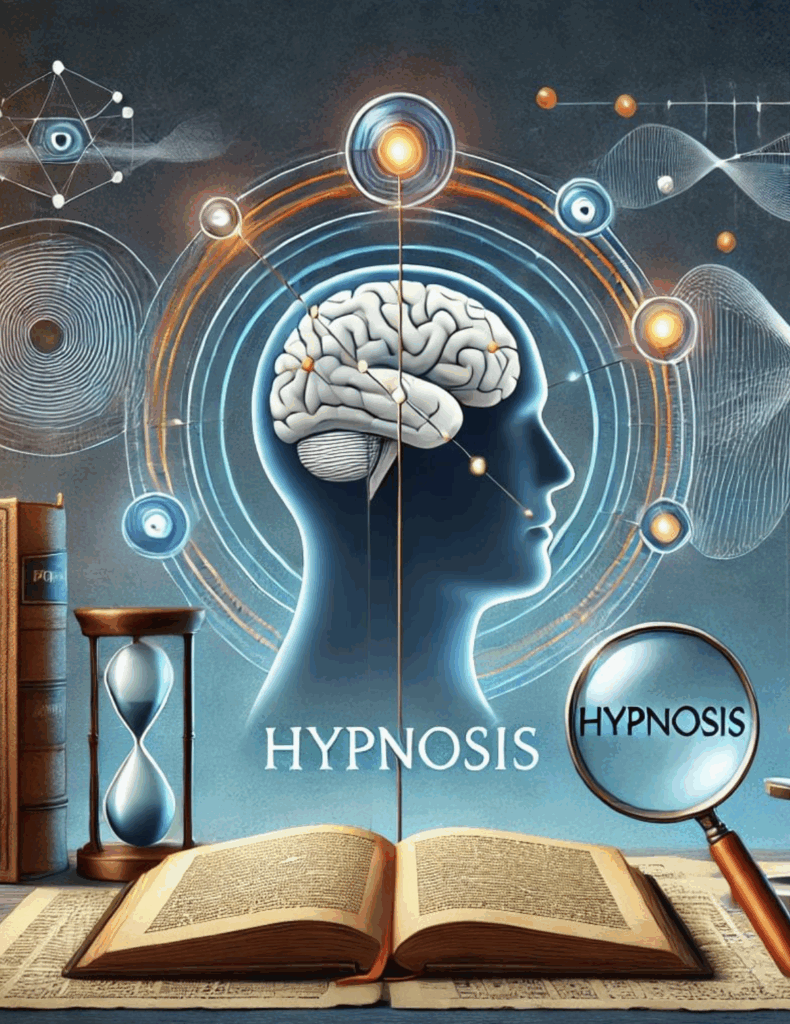
Guided by curiosity, or perhaps by my unconscious, I began training in medical hypnosis at the Pitié-Salpêtrière Hospital in Paris (AFEHM, the French Association for the Study of Medical Hypnosis), under the direction of Dr. Jean-Marc Benhaiem, with the participation of François Roustang, philosopher and psychotherapist.
It was a meeting with medical hypnosis that was as striking as it was disconcerting. At the time, I knew nothing about this therapeutic process, and this discovery profoundly transformed the way I practiced medicine with my patients.
In hypnosis, the emphasis is placed more on sensations than on analytical thinking. There is more room for experimentation than for intellectual interpretation.
I continued the following year with a D.U. in Medical Hypnosis at the Salpêtrière Hospital, followed by a number of other courses at various training centers. The regular practice of hypnosis with patients is a powerful factor for change. The relationship between conscious and unconscious becomes more explicit. Creativity develops. The unconscious is activated and a process of inner transformation is set in motion.
Travel to Japan
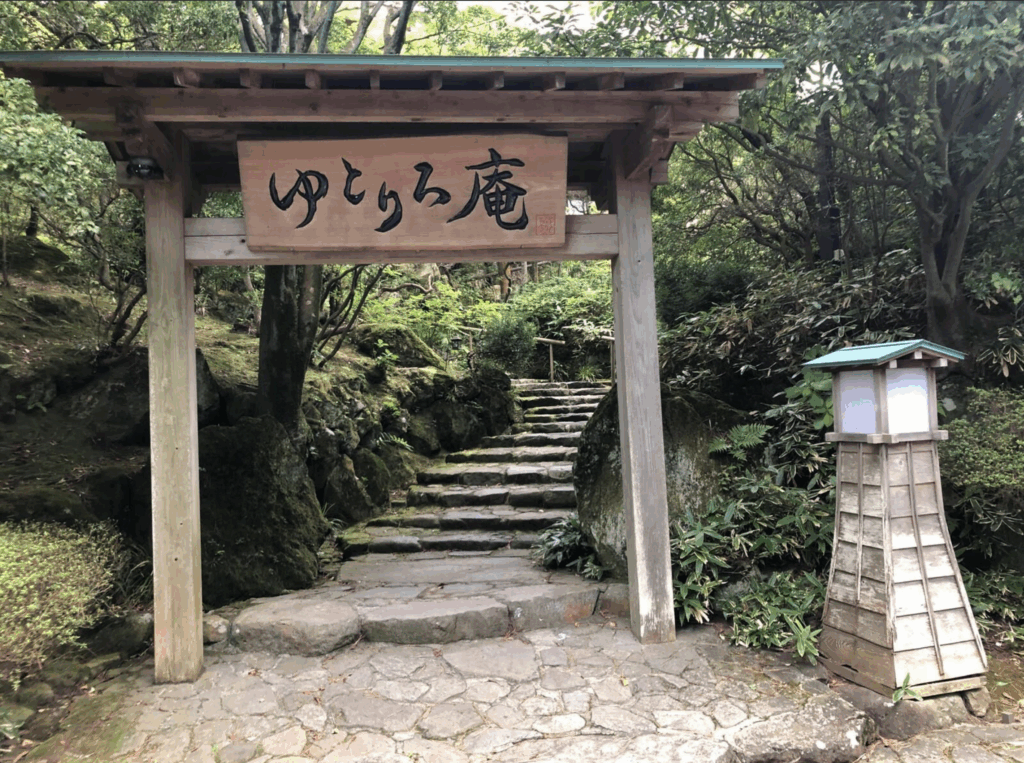
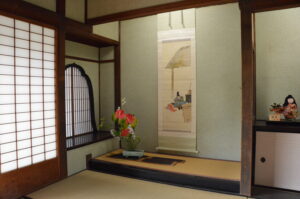
In 2017, an unexpected set of circumstances led me to buy a plane ticket to Japan. I went alone and stayed for two weeks. One week in Kyōto and one week in Tōkyō. I had no particular expectations, nor any specific knowledge of this faraway country, at most a few clichés. Once again, it was the discovery of a singular and disconcerting universe. Hypnosis had shown me just how fertile a sensitive approach to a human being could be. A way of being truly present and welcoming what’s there, as it is. It was with this same approach that I plunged into the Japanese world. The places, the people, the art, the food – I let myself be immersed in this new universe, trying to gradually adapt to its uniqueness. The door to hypnosis gave me access to the Japanese world, which in turn resonated deeply with me, influencing my hypnotic practice. This was achieved through regular trips to the region, human encounters, the acquisition of knowledge of all kinds and, most importantly, practical experience. These two disconcerting worlds, that of hypnosis and that of Japan, gradually came together within me. I simply let it happen. I let this inner encounter develop, both in my personal and professional life. ” Encounter is the treasure of human life,” says Zen nun Aoyama Shundō. Life’s important encounters teach us and transform our lives. It’s the Hindu concept ofupaguru : ” Any encounter, any event can become a master and teach something. ” The deeper my connection to Japan has grown over the years, the more the connection between the Land of the Rising Sun and hypnosis has made sense. Bridges were built and a common thread woven.
Summary and book
I wanted to pass on this personal and professional experience in a book, Hypnosis-Japan, Encounter in resonance. (Éditions Satas), published in 2024. I explore the many links between Western hypnosis and Japanese culture. Through clinical cases, analyses and personal reflections, I show how these two worlds can mutually enrich each other.
I am currently pursuing my activities in four complementary fields:
Current activities
- Une activité d’hypnothérapeute à Paris 👉 En pratique
- Une activité d’enseignement au sein de plusieurs structures 👉 Formations
- Une activité de coordination d’un groupe international franco-japonais au sein de HEALTH UNITED, une Association de Santé Intégrative 👉 Santé Intégrative
- Une activité de transmission par des articles, des entretiens, et la participation à des colloques en France et au Japon. 👉 Publications
Thanks to Marc Grosjean for inviting me on his YouTube channel, “The Marcus”, dedicated to hypnosis (May 2025). In this interview, I go back over my therapeutic journey, my contacts with Japan and what led me to write Hypnose-Japon, Rencontre en résonance. 👉 Watch the video